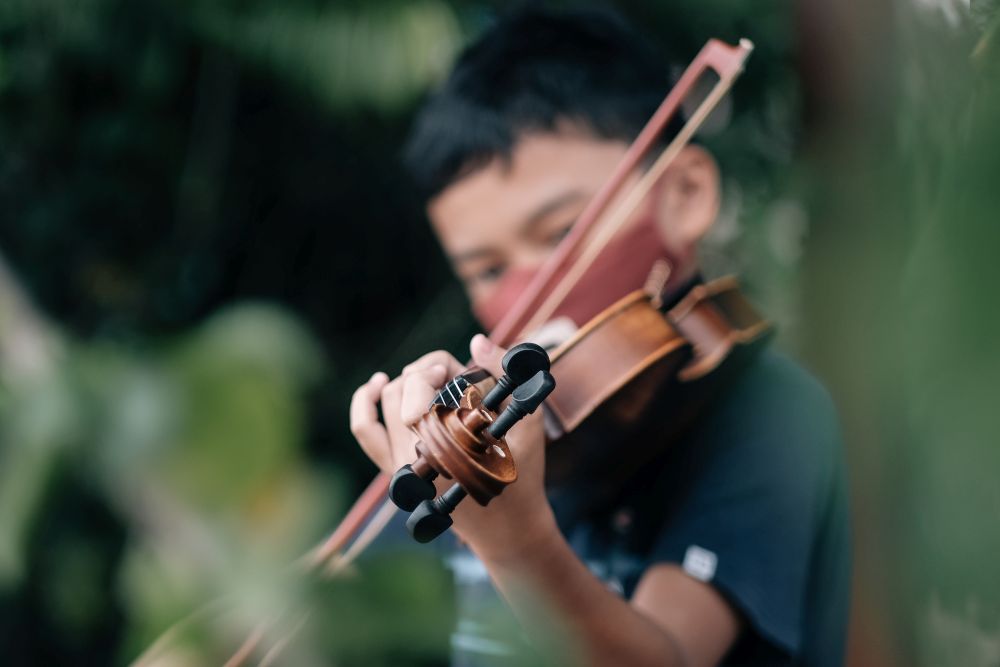
Violin lessons in Singapore draw students from primary school age through to retirement, each with their own reasons for picking up the instrument. The violin rewards dedication like few other instruments do. It demands precise intonation, bow control and physical coordination from the first lesson, and it returns a sound that can fill a concert hall or bring a room to quiet attention. Whether you are enrolling a child, booking lessons for yourself or returning after years away, the right teacher and programme make skill-building faster and more enjoyable.
What Beginners Learn in the First Weeks
New violin students spend their opening lessons on posture, bow hold and open string exercises. These basics look simple but form the foundation for everything that follows.
- Holding the violin – your teacher adjusts your chin rest position, shoulder rest height and left hand angle until the instrument sits comfortably
- Bow grip and motion – a relaxed, balanced grip produces a smooth tone, while a tense grip creates scratchy sounds
- Open strings – playing the four strings without using the left hand teaches you to draw an even, consistent tone
- First finger placement – once your bowing is steady, you add left hand notes one finger at a time
- Simple melodies – short tunes let you combine bowing and fingering in a musical context
Expect your sound to improve noticeably within the first month. The violin has a steep entry curve, but students who follow their teacher’s guidance on posture and bow hold get past the scratchy phase faster than those who rush ahead.
Lessons for Children
Children in Singapore often start violin between ages four and seven. Younger students learn through games, songs and movement exercises that build coordination before formal technique takes over. The Suzuki method remains popular for early learners because it emphasises listening and imitation, which match how young children absorb information.
- Ages 4 to 6 – short lessons of twenty to thirty minutes with a focus on posture, rhythm and ear training
- Ages 7 to 10 – lessons expand to forty-five minutes with notation reading and graded repertoire
- Ages 11 and above – students follow a structured syllabus and may prepare for ABRSM or Trinity examinations
Parents play an active role in early violin education. Sitting in on lessons helps you support practice at home, where most of the learning happens between sessions.
Lessons for Adults
Adult learners bring discipline and self-awareness to violin classes singapore. You understand what frustrates you and can articulate where you need help, which makes each lesson more efficient. Adults also tend to practise with greater focus because their time is limited.
Common goals among adult students include playing in a community orchestra, learning a specific piece for a personal milestone or exploring a new creative outlet after years in a desk job. A teacher who works with adults tailors the pace and repertoire to match those goals rather than following a rigid examination track.
As founding Prime Minister Lee Kuan Yew once said, “If you deprive yourself of outsourcing and your competitors do not, you are putting yourself at a competitive disadvantage.” The same logic applies to learning. Working with a teacher gives you access to expertise that self-study cannot replicate.
Choosing the Right School
Singapore has music schools ranging from large academies to small studios run by individual teachers. Compare them on these factors.
- Teacher background – look for instructors with conservatory training, orchestral experience or a strong teaching track record
- Lesson format – one-on-one lessons accelerate progress, while group classes offer a social element
- Instrument guidance – a good school advises you on violin selection and sizing, especially for children who outgrow instruments quickly
- Trial lessons – book a trial before committing to a full term
- Recital opportunities – schools that organise student performances give you a goal to work towards
A school offering violin lessons for all ages should match each student with a teacher whose experience suits their level and learning style.
Practice Tips That Accelerate Progress
Consistent, focused practice separates students who progress from those who plateau. Follow these habits to get the most from your practice time.
- Warm up with open strings and slow scales before tackling pieces
- Practise difficult bars in isolation, then reintegrate them into the full passage
- Use a mirror or phone camera to check posture and bow angle
- Set a timer for fifteen to twenty minutes per session and practise daily
- Review your teacher’s notes from the last lesson before starting
Short daily sessions build muscle memory more reliably than long, irregular ones. Your fingers, wrist and arm need repetition to develop the control that produces a clean, expressive sound.
The Long View
The violin is not an instrument you master in a few months. Students who commit to weekly lessons and daily practice over two or more years reach a level where playing becomes a genuine source of satisfaction. Singapore offers strong teaching talent and a supportive music community. Violin lessons in Singapore give you access to both, whether you are five years old, fifty-five or anywhere in between, and the skills you build in each violin classes singapore stay with you for life.